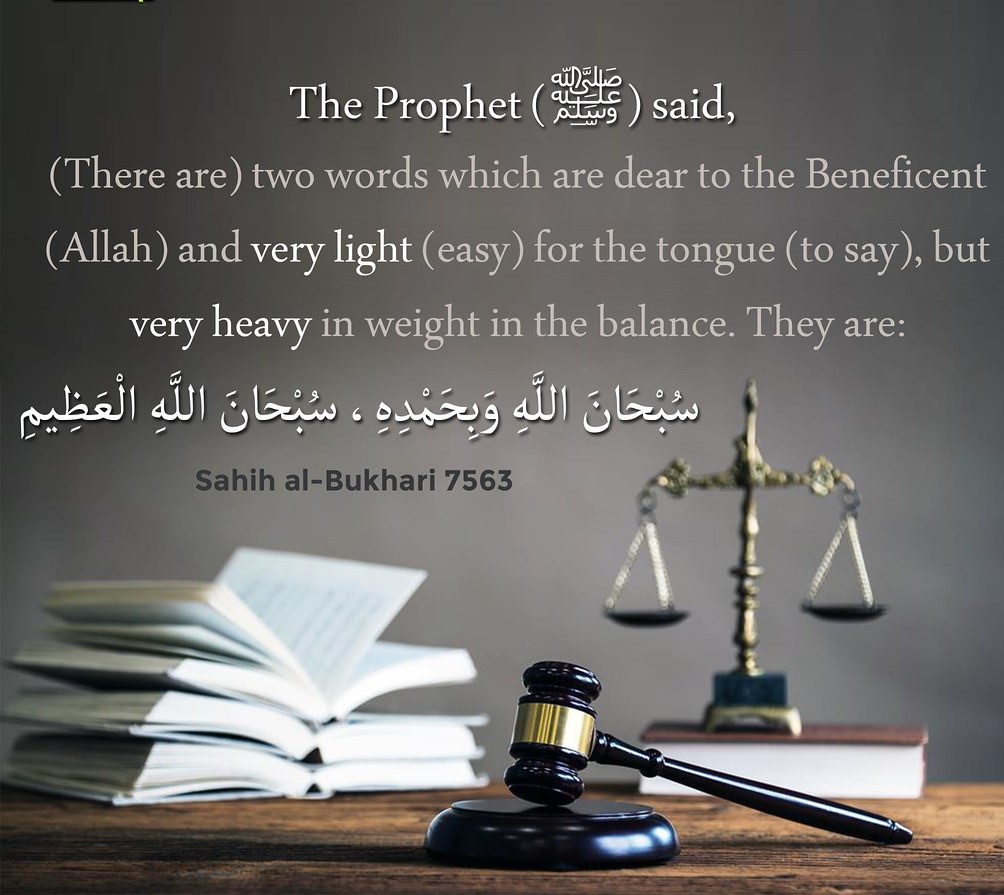

Human rights in the Quran are established as divinely ordained, fundamental entitlements bestowed upon all individuals regardless of race, gender, or nationality, emphasizing sanctity of life, justice, and dignity. Islam emphasises human dignity, equality, and justice, focusing on protecting life, religion, intellect, lineage, and property. Key rights include the sanctity of life, freedom of expression, justice, privacy, and safety from torture. Allah says:
وَلَا تَقْتُلُوا النَّفْسَ الَّتِي حَرَّمَ اللَّهُ إِلَّا بِالْحَقِّ ۗ وَمَن قُتِلَ مَظْلُومًا فَقَدْ جَعَلْنَا لِوَلِيِّهِ سُلْطَانًا فَلَا يُسْرِف فِّي الْقَتْلِ
“Do not kill the soul which Allah has made sacred except by right of justice. Whoever is killed unjustly, We have given his heir authority, but let him not exceed the limits in taking life.” (Surah Al-Isra 17:33)
Islam gave to mankind an ideal code of human rights fourteen centuries ago. These rights aim at conferring honour and dignity on mankind and eliminating exploitation, oppression and injustice. Human rights in Islam are an integral part of the overall Islamic order, and it is obligatory on all Muslim governments and organs of society to implement them in letter and in spirit within the framework of that order. Allah says:
وَاللَّهُ يَقْضِي بِالْحَقِّ وَالَّذِينَ يَدْعُونَ مِن دُونِهِ لَا يَقْضُونَ بِشَيْءٍ إِنَّ اللَّهَ هُوَ السَّمِيعُ الْبَصِيرُ
“And Allah judges in truth, while those (whom) they invoke besides Him do not judge with anything. Indeed, Allah – He (is) the All-Hearer, the All-Seer.” (Surah Ghafir 40:20)
Human rights in Islam, which really mean the rights have been granted by God. The rights bestowed upon humans in the Quran include the right to life and peaceful living, as well as the right to own, protect, and have property protected in Islamic economic jurisprudence. The Quran states that all humans are the descendants of one man, Adam and are therefore brothers to one another. The Quran teaches us to treat all other religions justly and kindly.
Here are some paramount Importance of Human Rights in Islam:
- All human beings have the right to be treated fairly by the court
- All human beings are born free and equal in dignity and rights
- Everyone has the right to equal access to public services
- Believers of all religions rights guaranteed by the State
- Everyone is charged with a crime until proven guilty
- Everyone is entitled to all the rights and freedoms
- Everyone has the right to life, security of person
- Everyone has the right to education
- Everyone is entitled to a fair trial
- No one shall be held in slavery trade
- Everyone has the right to a nationality
- Everyone has the right to social security
- Every person has the right to own property
- Everyone has the right to life, liberty and security
- Every person has the right to a fair and public trial
- All are equal before the law without discrimination
- Islam dictates that all people are equal before the law
- Everyone has the freedom of movement and residence
- Everyone is born free and equal in dignity and with rights
- All human has the right to freedom of thought and religion
Human rights in Islam are considered divine, fundamental, and universal rights rooted in the Quran and Sunnah, rather than granted by rulers or governments. Human life is sacred and inviolable, and every effort shall be made to protect it. In particular, no one shall be exposed to injury or death
Islam provides the core components of Human Rights for an Individual:
- Right to Freedom: Islam has strictly forbidden the fundamental practice of enslaving a free man and making him a slave or selling him into slavery.
- The right of Equality among Human Beings: Islam recognises the principle of absolute equality between men, irrespective of colour, race or nationality. Racism is not allowed in Islam.
- Right to Equal Justice: Islam is the religion of peace and Justice.
- Freedom of Religion: The Quranic principle “no compulsion in religion” supports freedom of faith.
- Right to Property and Ownership: Individuals have the right to acquire, own, and enjoy property lawfully.
- The right of Honour and Respect: Islam protects honour. In Islam, insulting others and making fun of them is not allowed, whether a person is a believer or a non-believer.
- Right to Basic Necessities of Life: Islam emphasises helping the poor and needy who need your help if you are more fortunate.
- Right to Privacy: It is a basic right of every citizen that their private life should be respected. He must enjoy moments of privacy at his home.
- Right to Life: The first and most important basic human right is the right to live and respect human life.
- Right to Liberty: No citizen can be imprisoned or restricted in their freedom without just cause proven in an open court
- Right to Social Security and Education: The state is responsible for ensuring necessities, including food, clothing, housing, and education for its citizens.
Islam’s contribution to human rights is best appreciated when viewed against the backdrop of world history as well as the realities of modern times. Social, racial, gender, and religious inequities continue to exist. It is the responsibility of the state to provide an organisational structure through the well-established judicial system, administrative control and a security system necessary for the social existence of the citizens.
The responsibility of human rights to know everyone is as follows:
- Right to protect others from possible abuse and exploitation
- Right to ensure detention without reason, trial or evidence
- Right to defend the freedoms of all and ensure equality
- Right to look after our property while respecting
- Right to ensure that we are gathering peacefully
- Right to treat them in accordance with the law
- Right to ensure freedom of movement for all
- Right to work to preserve a dignified life
- Right to ensure opinions and actions
- The right to life and security
- The right to justice and fair treatment
- The right to dignity, honour, and privacy
- The right to equality and non-discrimination
- The right to liberty and freedom from slavery
- Right to raise awareness of unjust labour practices
- Right to look after and to respect the families of others
- The right not to take the law in hands or unfairly influence
- Right to ensure that no one else is abusive towards others
- Right to face court systems, work and hold them accountable
Human Rights in Islam is multifaceted, reflecting its holistic approach to human existence. These rights are not peripheral but central to the Islamic worldview, serving as a blueprint for a just, equitable, and harmonious society. Islam calls for Muslims and non-Muslims to cooperate in good deeds, justice, and mutual benefit for humanity. Allah says:
إِنَّ الَّذِينَ آمَنُوا وَعَمِلُوا الصَّالِحَاتِ سَيَجْعَلُ لَهُمُ الرَّحْمَٰنُ وُدًّا
“Verily, for those who have believed and done righteous deeds, the Most Merciful will appoint for them affection.” (Surah Maryam 19:96)
Islam places immense emphasis on justice as a supreme virtue. The Quran repeatedly enjoins believers to uphold justice, even against themselves, their loved ones, or adversaries. Human rights in the Quran are the practical manifestation of this divine command for justice. They provide the necessary safeguards to ensure fairness in all dealings, protect the vulnerable, and prevent oppression.
The significance of Human Rights according to the Quran:
- “Men not created without a purpose.” (Quran 23:115)
- “Man is accountable for his actions.” (Surah Al-Isra, 17:1)
- “Men not created without a purpose.” (Surah Muminun, 23:115)
- “And the Hereafter is better for you than the first life.” (Quran 93:4)
- “You have that day, nor for you will there be any denial.” (Quran 42:47)
- “Do not let your hatred of a people incite you to aggression.” (Quran 5:2)
- “The life of this world is merely the enjoyment of delusion.” (Quran 3:185)
- “I have not created men except that they should serve Me.” (Quran, 51:56)
Every individual and every people have the inalienable right to freedom in all its forms, physical, cultural, economic and political and shall be entitled to struggle by all available means against any infringement or abrogation of this right; and every oppressed individual or people has a legitimate claim to the support of other individuals and/or peoples in such a struggle. All persons are equal before the Law and are entitled to equal opportunities and protection of the Law. Allah says:
إِنَّ الَّذِينَ آمَنُوا وَعَمِلُوا الصَّالِحَاتِ سَيَجْعَلُ لَهُمُ الرَّحْمَٰنُ وُدًّا
“Verily, for those who have believed and done righteous deeds, the Most Merciful will appoint for them affection.” (Surah Maryam 19:96)
All human beings are born free and equal in status and respect. Human rights are the basic rights that belong to every person in the world, from birth to death. Islam proclaims that God treats all human beings equally and that true human rights can only be achieved by obedience to Him. May Allah help us to establish the true spirit of brotherhood by forgetting our so-called differences.

